
The Fjord & Fire Playbook: A 14-Day Blueprint for visiting Belgium, Norway, and Iceland.
Hello Internet! I am back home in Park City, and I’ve finally gotten around to writing this recap for you. Yes, I know it’s arriving a little fashionably late, as it turns out, the day job that actually funds all these grand adventures demanded my undivided attention for a bit! Now that the dust has settled, I’m ready to dive back in. If there’s one thing living at 7,000 feet teaches you (besides the non-negotiable requirement for high-end moisturizer and a constant supply of lip balm), it’s that true outdoor grandeur requires serious respect for logistics and the occasional pivot.
Today, I’m opening up the vault on one of the most strategically complex, high-reward itineraries I’ve ever built: a 14-day, four-country sweep taking Mr. Tabby Cat, Mom, Dad, and myself across Belgium, the Netherlands, Norway, and Iceland. We are talking high-speed rail, fjord navigation, arctic horseback treks, whale watching, and geothermal recovery with the additional complexity of fall weather in the Artic. And of course, it was all mapped out with precision to ensure balance between busy exploration and quiet luxury.
Whether you are planning a high-stakes family expedition or simply want to know how to navigate the epic rails of Scandinavia without dragging 50-pound suitcases through historic cobblestone streets, grab a glass of wine (or a very strong cocktail), and let’s dive into the ultimate guide to solving Arctic travel complexity.
Act I: The Low Countries Warm-Up & The Belgian Chocolate Detour
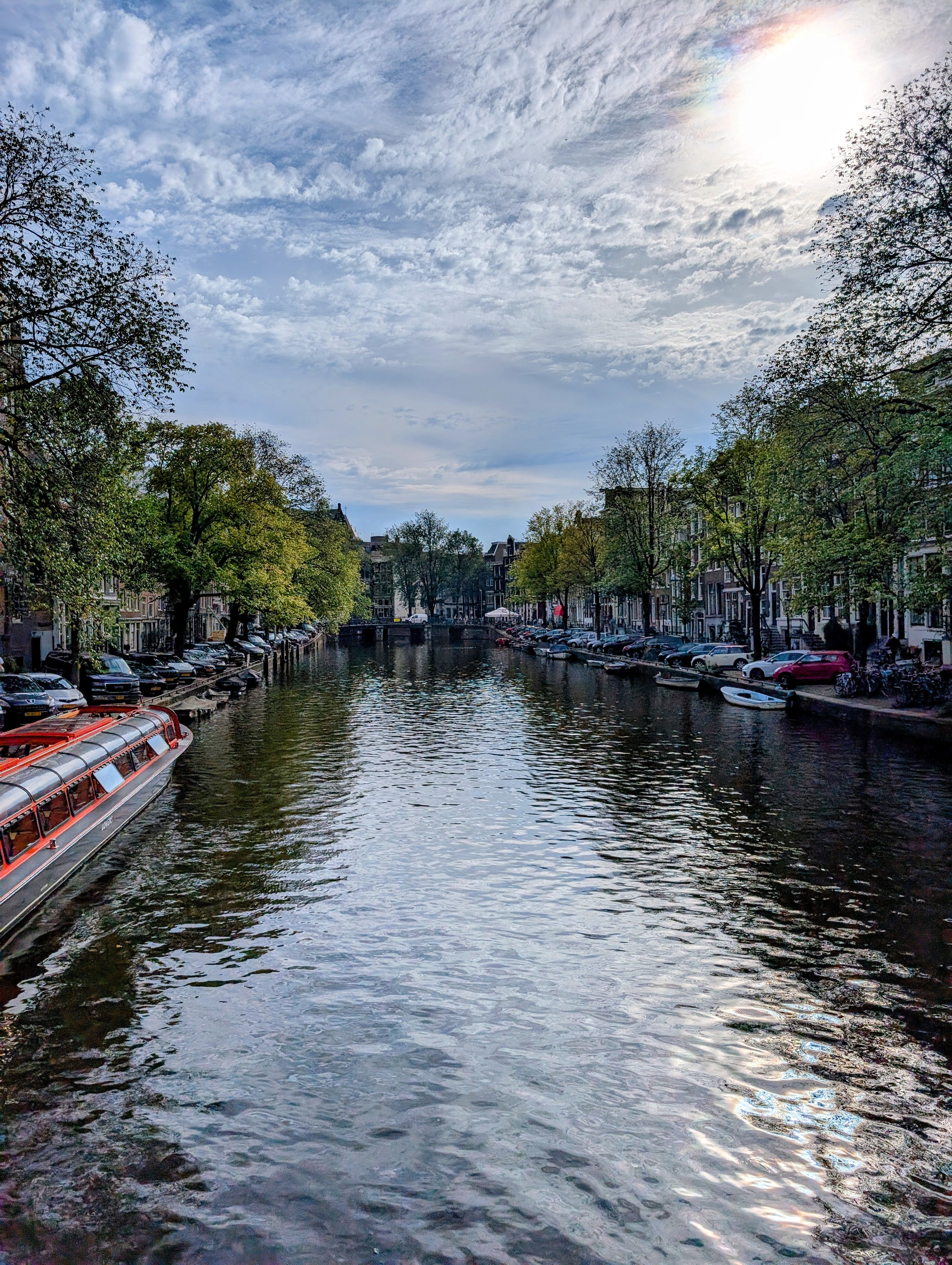 When executing a grand, multi-destination European circuit, your arrival strategy sets the tone for the entire journey. We kicked off this expedition with an early morning flight from the States to Amsterdam Schiphol, but like all good travel stories, we ran into a classic plot twist right out of the gate: a cancelled flight. Luckily, Mr. Tabby Cat and I view travel hiccups as an excuse for an impromptu lounge session (hello, mimosas!), so we rebooked, took it in stride, and still managed to land at Schiphol right on schedule. From there, we executed my golden rule for an Amsterdam day-trip: ditch the luggage immediately!
TCT Tip: The Schiphol Staging & Car Rental Strategy
If you land in Amsterdam on a long-haul flight with four adults, do not attempt to drag your full luggage load directly into the city center before hotel check-in opens. Secure a room right at the airport - such as the Hilton Amsterdam Airport Schiphol or the nearby Sheraton. You can drop your bags without touching a taxi meter, hop the direct train into Central Station for city sightseeing, and effortlessly pick up your rental car at the airport terminal the next morning - which is a breath of fresh air if you’ve ever had to drive in Amsterdam!
After a quick reset in Amsterdam, we picked up our rental vehicle and crossed the border into Liège, Belgium. Liège is world-famous for its namesake waffles: rich, dense brioche dough laced with pearl sugar that caramelizes on the iron and typically covered with fruit and chocolate. So with dreams of waffles dancing in mind, we set up basecamp in a little hotel right by the central station. This gave us seamless access to both the rugged Belgian Ardennes and high-speed rail connections into Brussels, which was essential for our Day 3 plans.
Castles, Waffles, and Private Chocolate Classes
 We spent our second day navigating visiting with family and exploring a local estate, which was delightfully dressed up for Halloween. It’s funny seeing how much American style Halloween has taken over across Europe; what used to be a quiet historical tradition has turned into an all October affair complete with festive decor.
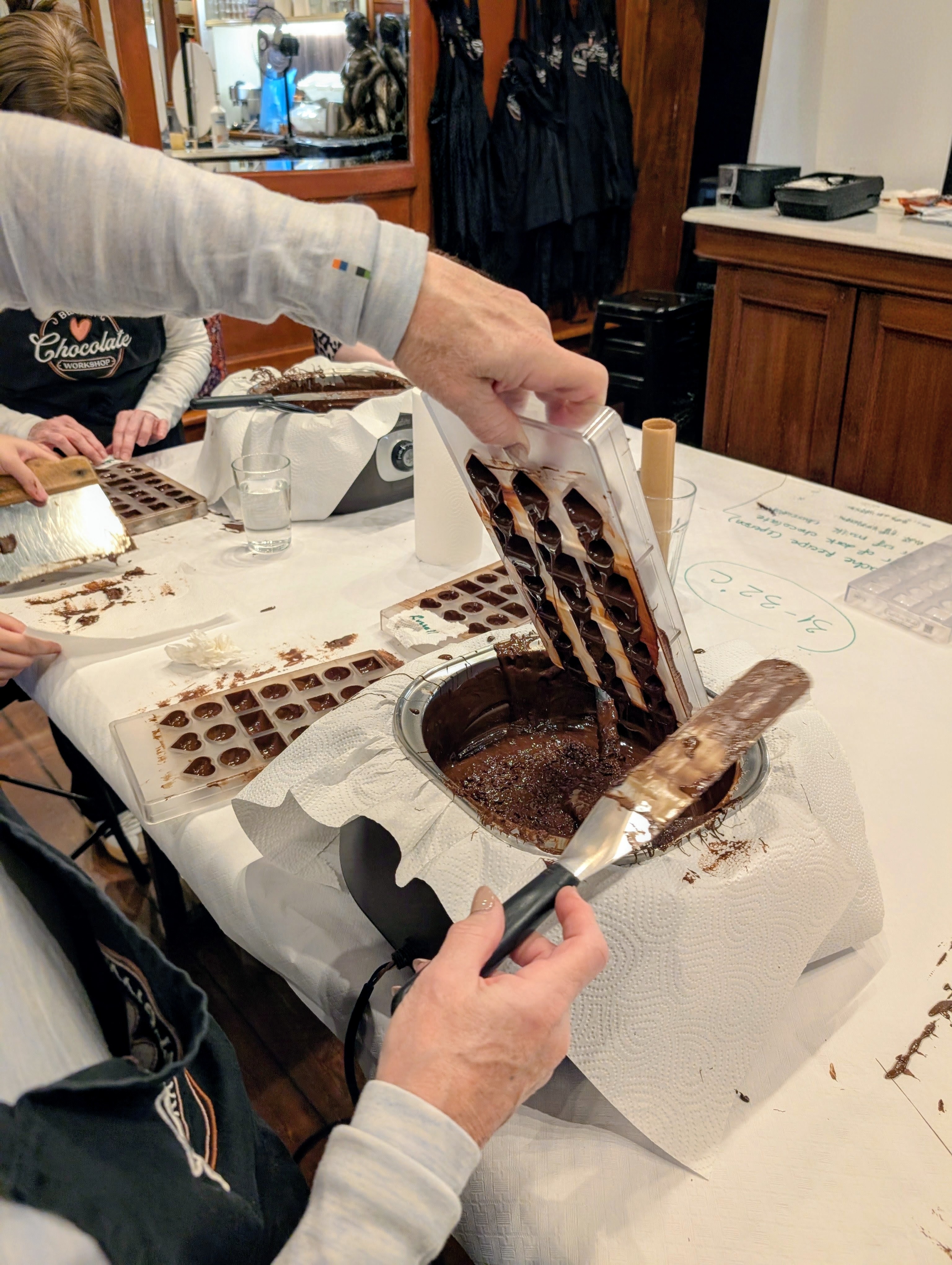
By Day 3, we swapped rural highways for high-speed rail into Brussels. Pro-tip: if you’re traveling on a weekday during morning peak hours, either mentally prepare yourself for squeezed commuter conditions or splurge on 1st Class seats for the extra breathing room! We spent the entire morning in an artisan chocolate class, learning the temperature tempering of Belgian cocoa before molding our own sweet masterpieces. Belgium’s obsession with chocolate runs deep into the 17th century, but its global reputation as the undisputed capital of fine cocoa was sealed by two key milestones: an 1884 purity law mandating at least 35% pure cocoa (banning cheap vegetable fats), and Jean Neuhaus’s 1912 invention of the praline (which is what we made! it’s a hard chocolate shell filled with silky ganache) that transformed chocolate from a liquid luxury into a delicate art form.
After mastering cocoa, we spent the afternoon winding through Brussels’ labyrinthine side streets to skirt around local street protests (a classic European pastime, it seems) on our way to the historic core. The tourist hub was predictably bustling, but seeing the famous Manneken Pis in person is a mandatory checkmark. Standing at a tiny 22 inches tall, this 17th-century bronze boy is an iconic symbol of Brussels’ irreverent sense of humor. Legend has it he saved the city from siege by urinating on an enemy’s burning gunpowder fuse, and over the centuries he’s accumulated a wardrobe of over 1,000 official costumes! We rounded out the afternoon with some boutique shopping and indulged in my absolute favorite Belgian treat: a crisp, tart cherry lambic called kriek.
Act II: The Masterpiece Logistics - Norway by Rail, Fjord, and Luggage Forward
 Now, let’s talk about the section of this trip that separates amateur vacationers from high-touch travel strategists: transitioning four adults from Belgium to Norway in a single morning, followed by a multi-modal transit across Norway’s rugged spine.
On Day 4, our execution had to be military-grade precise. To catch our 10:45 AM direct flight from Amsterdam to Oslo, our departure protocol was undeniably rough: leave our Liège hotel by 6:00 AM sharp, complete the cross-border drive to Schiphol, process the rental car return, and clear security. We touched down in Oslo at 12:30 PM, checked into our hotel near the train station, and had our boots on the ground in the capital by early afternoon.
The Oslo Cultural Tour
Oslo in October is crisp, maybe even cold but ultimately lovely. We spent our full day building an effortless walking route across the capital’s most iconic architectural achievements:
-
Det Kongelige Slott (Royal Palace): Time your arrival for 1:30 PM sharp to observe the daily Changing of the Guard set against the sprawling royal grounds.
-
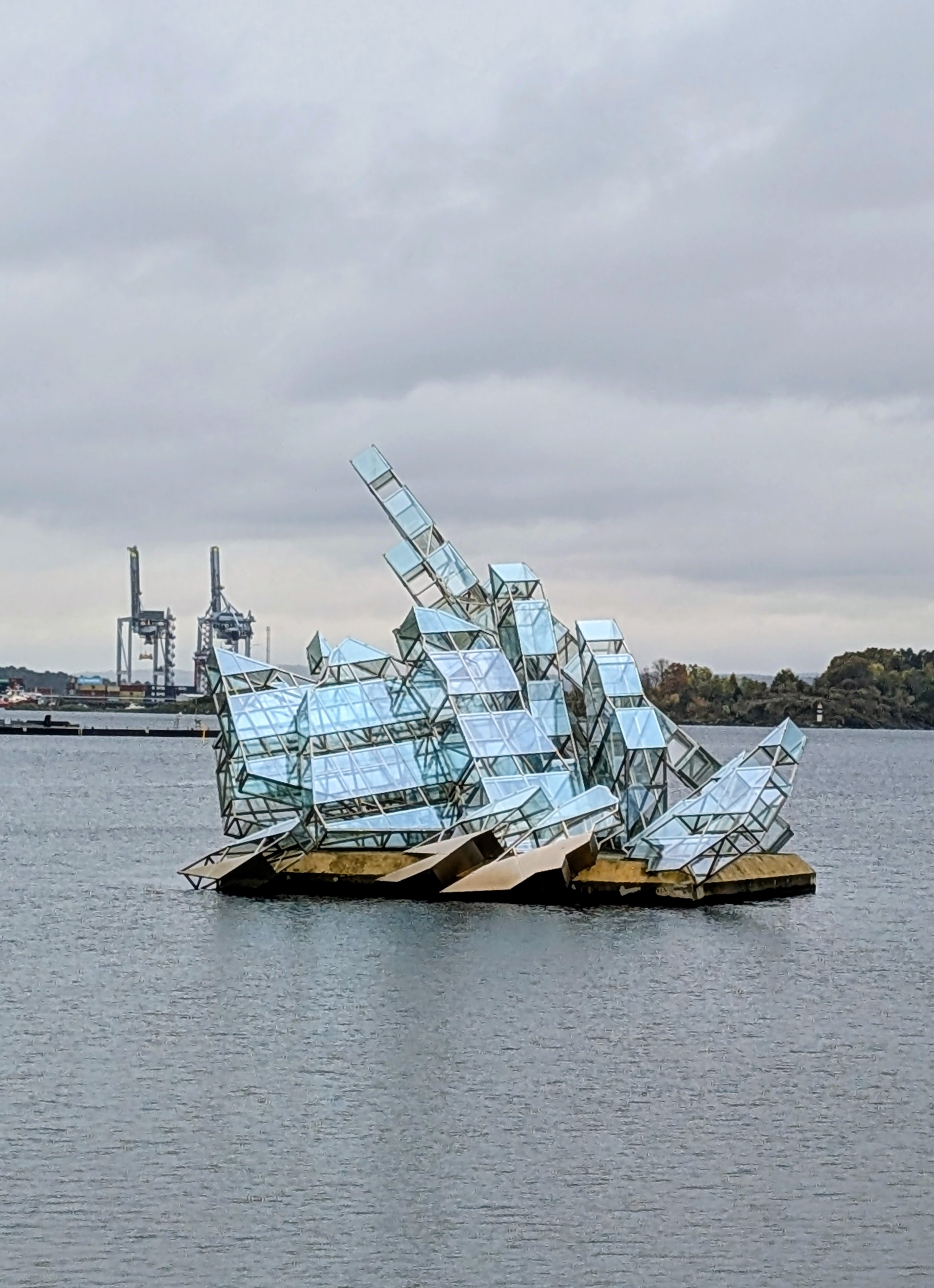
Oslo Opera House: A modern white marble masterpiece rising directly out of the harbor. The design invites visitors to walk directly up its sloping roof for panoramic fjord and city views.
-
Akershus Fortress: A 14th-century medieval stronghold offering strategic military history and sweeping harbor vantage points.
The Planning Deep Dive: The Flåm Luggage Forward & Seismic Rail Route
Here is the single biggest logistical hurdle travelers face when planning the legendary “Norway in a Nutshell” route: How do you enjoy one of the steepest, most breathtaking train journeys in the world with an overnight stay in a remote fjord village without hauling four massive suitcases on and off mountain trains, buses, and ferries?
The answer is surprisingly simple: a porter service.
TCT Warning: Do Not Drag Main Luggage to Flåm
The mountain trains between Oslo, Myrdal, and Flåm have extremely limited overhead storage. Navigating narrow aisles with full-sized bags ruins the experience for your entire party. I cannot tell you how many times I watched people do exactly that and thought “thank the heavens I’m not them!” On the night before departing Oslo, pack a compact, overnight bag for evening in Flåm. Arrange for a professional luggage transfer service to pick up your primary bags directly from your Oslo hotel lobby at 6:00 AM and deliver them straight to your hotel room in Bergen!
The Flåmsbana Engineering Marvel
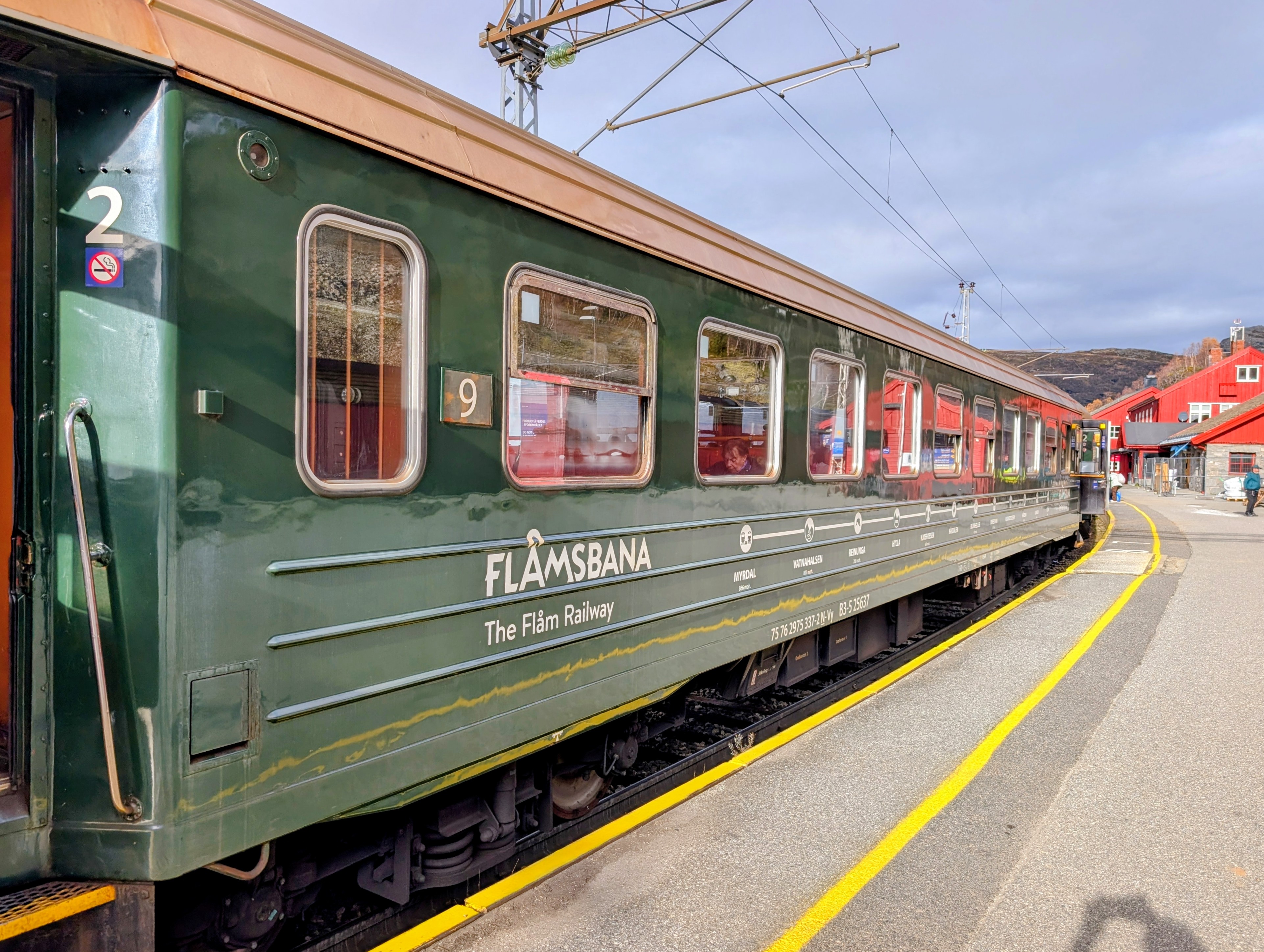 Leaving Oslo at 8:25 AM, the Bergen Line climbs into the desolate, snow-dusted plateau of Finse before reaching Myrdal. Here, you transfer to the world-famous Flåm Railway (Flåmsbana). Descending 2,837 feet over just 12 miles through 20 tunnels, it is one of the steepest standard-gauge railway lines on earth with an 18:1 gradient (5.5%). You descend past roaring waterfalls like Kjosfossen straight into the glassy waters of the Aurlandsfjord.
Arriving in Flåm around 2:30 PM, we checked into our historic waterfront hotel right on the harbor. To stretch our legs after the journey, we took a brisk, windy walk up through the winding trails of a charming local park before heading down to explore the Flåm Railway Museum together to admire the incredible engineering behind the line. Once we finished soaking in the history, the menfolk happily retreated to the hotel for a well-deserved afternoon nap, while Mom and I snuck off to channel our inner Vikings with a drink at the historic longhouse styled bar!
The following morning, we executed the triple-transit connection from Flåm to Bergen: an electric boat cruise through the UNESCO-protected Nærøyfjord to Gudvangen, an express bus up the winding hairpin curves of Stalheimskleiva to Voss, and a final passenger rail connection directly into Bergen. Total visual drama, zero luggage stress.
Bergen: Hanseatic History, Coastal Fortresses, and High-Country Views
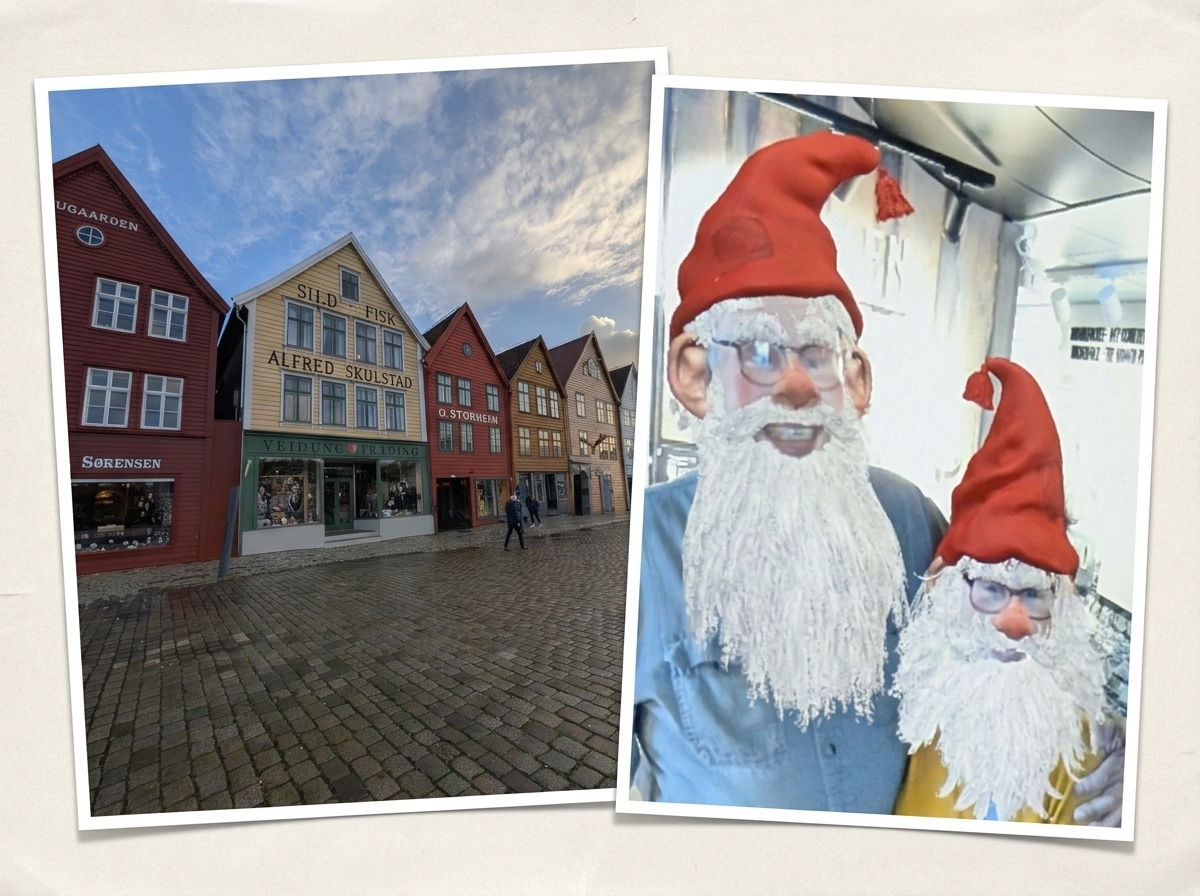
To round out the day, we stepped straight into local folklore at the modern Norwegian Troll Museum, which turned out to be delightfully entertaining. They use augmented reality to transform you into a mythical troll through screens on the wall (and honestly, after an early-morning multi-transit travel schedule, the troll filter felt like a genuine upgrade!)
Act III: The Arctic Fire — Iceland’s Private Expeditions
TCT Tip: The Bergen–Keflavík Flight Schedule Hack
Direct flights from Bergen (BGO) to Keflavík (KEF) are convenient, but they don’t run every day. If flying direct is a dealbreaker for your itinerary, lock down your flight dates first and build your Norway leg around them—otherwise, you’ll be stuck adding a layover back through Oslo.
The next morning, we touched down at Keflavík and secured a local taxi for the 45-minute scenic drive into Reykjavik. We checked into a charming downtown boutique hotel before heading out on foot to explore the vibrant city streets.
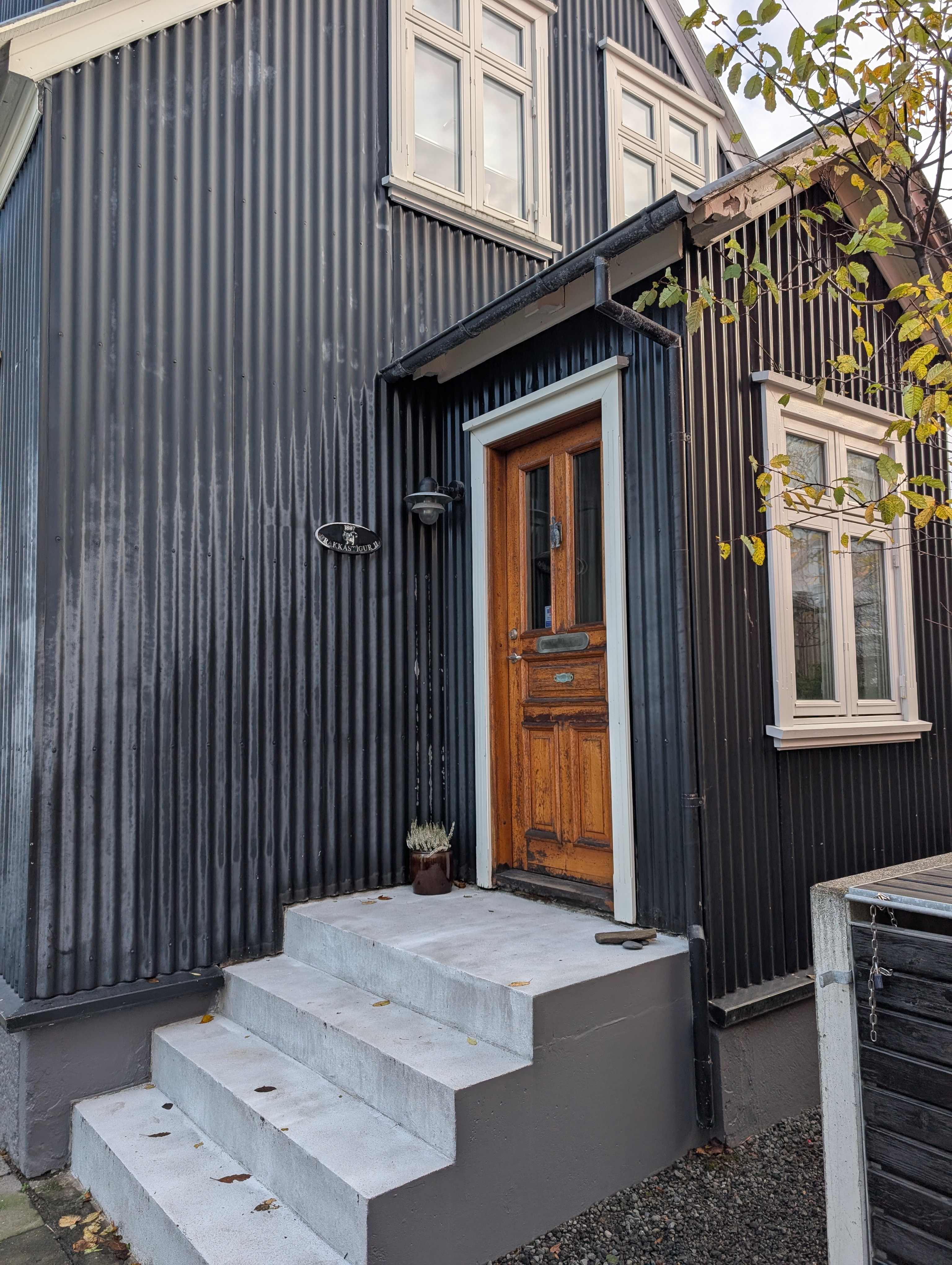
One of the first things that grabs your attention in downtown Reykjavik is the architecture: almost every historic home is wrapped in bright, colorful corrugated metal cladding! Historically, Iceland’s lack of natural forests made timber scarce and expensive to import. When corrugated galvanized iron arrived from Britain in the late 19th century, locals quickly realized it was the ultimate defense against Atlantic salt spray and relentless coastal winds. Following a massive city fire in 1915, metal cladding became standard building code, transforming a practical necessity into Reykjavik’s signature candy-colored aesthetic.
The Divide & Conquer Strategy: Horses vs. Whales
One of my core philosophies as a travel strategist is that high-value itineraries must cater to individual passions rather than forcing everyone into a single mold—the secret sauce to keeping multi-generational groups happy! On our second morning, we put this into practice with a “Divide and Conquer” approach:
-
Mr. Tabby Cat & Myself (Equestrian Adventure): We saddled up on sturdy, five-gaited Icelandic horses for a trek through the volcanic red hills of Rauðhólar and around serenity-filled Lake Rauðavatn. Experiencing the famous tölt (an ultra-smooth, four-beat gait unique to Icelandic horses) across raw lava fields felt like gliding across another planet (and let us celebrate another bucket-list gait checked off my global riding list!).
-
Mom & Dad (Faxaflói Bay Cruise): Mom and Dad boarded a panoramic luxury yacht out of Reykjavik’s Old Harbor, cruising Faxaflói Bay to spot marine life against the crisp coastal backdrop. While the minke and humpback whales decided to play coy, they were treated to a few playful harbor porpoises. Pro tip for wildlife excursions: always choose an operator with a “retry guarantee”. Mom and Dad had the option to go back out the next day, though they ultimately decided one fin sighting was plenty of boating for the trip!
By afternoon, we re-joined forces for a walk through The Settlement Exhibition (built around an authentic 10th-century Viking longhouse excavation) and witnessed molten rock poured live before our eyes at the thrilling Lava Show in the Grandi harbor district.
The Golden Circle, South Coast, and Geothermal Recovery
 When navigating Iceland’s wild landscapes with a multi-generational crew, booking private guided charters is the ultimate key to unlocking sights without the exhaustion of packed tour buses. Iceland’s geography is breathtaking, but October brings hyper-unpredictable autumn weather. In Iceland, wind isn’t just a minor inconvenience; sustained speeds above 20 m/s (45 mph) or gusts over 25 m/s (55 mph) prompt official Yellow or Orange alerts from the Icelandic Meteorological Office (Veðurstofa). When this happens, the Road Administration (Vegagerðin) closes key mountain passes and exposed coastal routes (like Route 1 near Vík). Tour operators are legally obligated to cancel excursions during active Orange alerts, and driving past red barricades is strictly prohibited. Having a private driver means you have a professional continually monitoring real-time road conditions and adjusting your route safely on the fly.
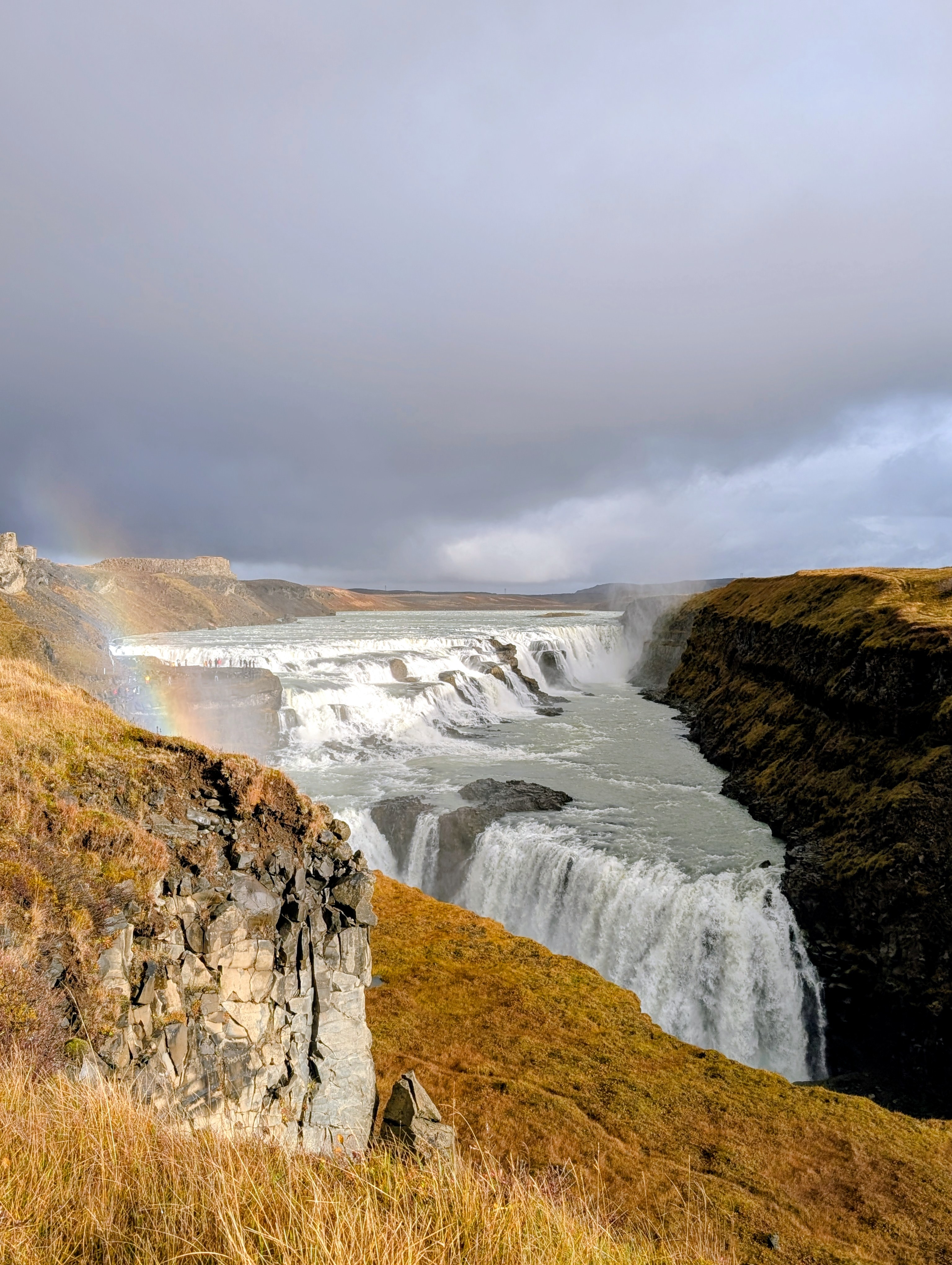
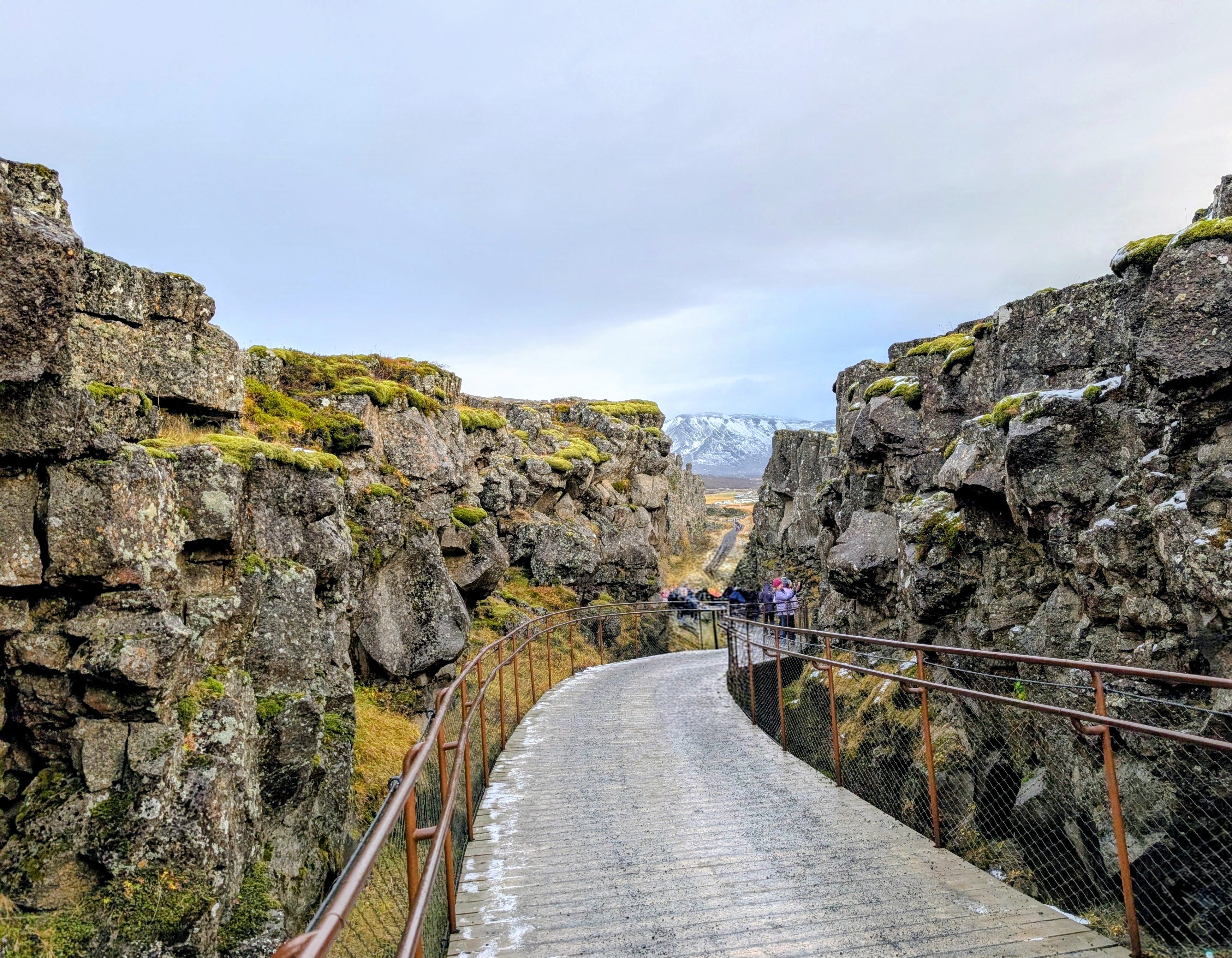
Our first private expedition took us along the famous Golden Circle, starting at Þingvellir (Thingvellir) National Park, where you can literally walk between the North American and Eurasian tectonic plates in a dramatic rift valley. From there, we watched Strokkur Geysir blast boiling water nearly 100 feet into the air every few minutes before admiring the sheer thunder of Gullfoss Waterfall, where glacial meltwater plunges down a two-tiered staircase canyon. We capped off the loop at Kerið Crater, standing along the rim of a 3,000-year-old volcanic caldera filled with striking aquamarine water against vivid red rock walls.
Our second tour took us down the dramatic South Coast, catching the full brunt of Atlantic wind and driving rain. Sitting back in a private van while a seasoned driver navigated treacherous coastal gales made us doubly grateful for private door-to-door service and the ability to adjust our excursion to the weather made us triply grateful. In fact, the weather was so fierce that we opted to admire the curtain falls of Seljalandsfoss strictly from the warm interior of our vehicle, even through rain-streaked windows, it looked wildly dramatic! Given the torrents of rain, we mutually agreed to skip the 10-minute walk out to Sólheimajökull Glacier (meaning a glacier hike remains firmly on our bucket list for next time). However, we put our rain gear to the test at Skógafoss, walking right up to the base of the roaring 200-foot wall of spray, which was nothing short of awe-inspiring.
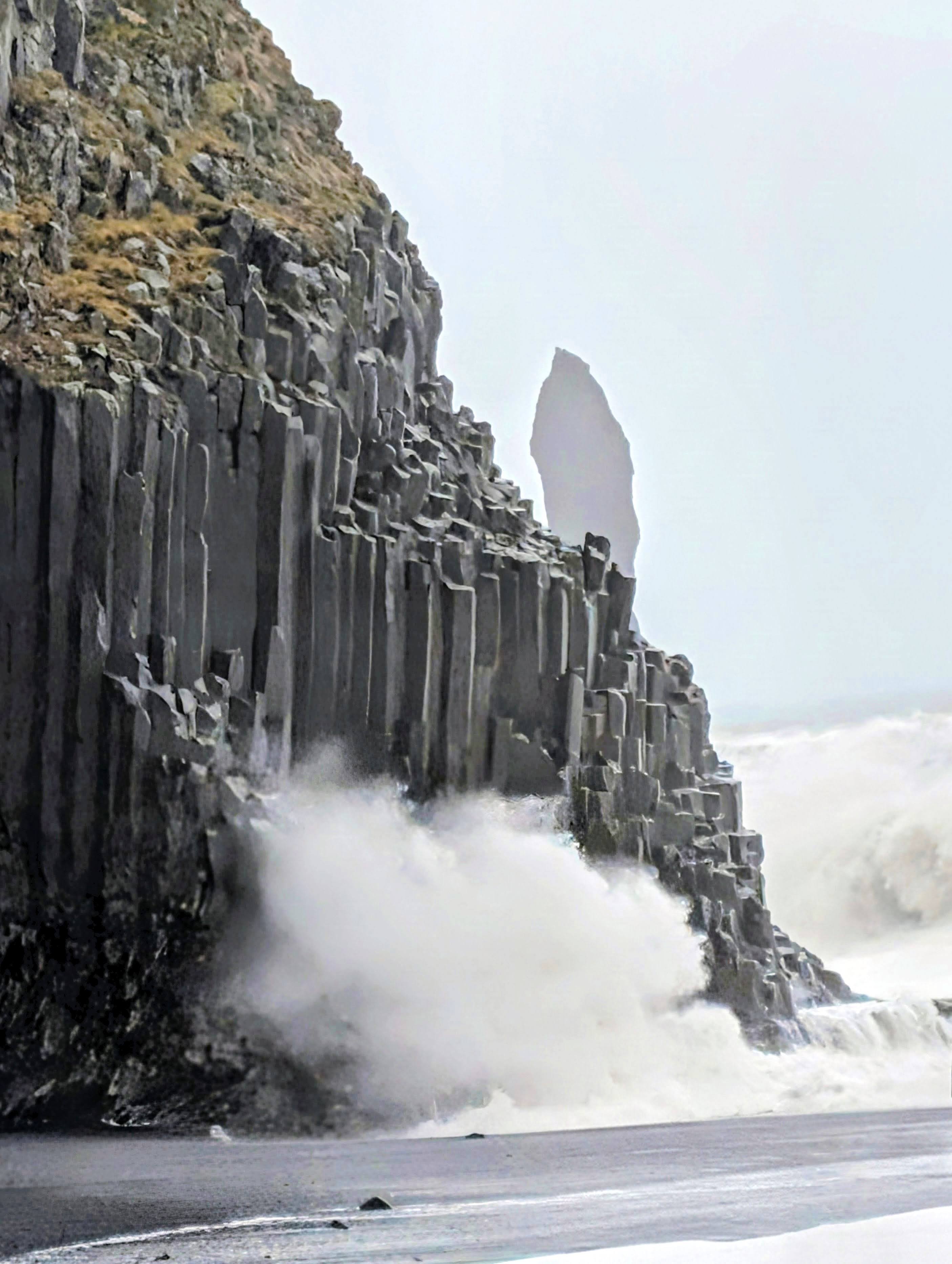
At Reynisfjara Black Sand Beach, we stepped onto the obsidian sands but maintained a very respectful distance from the water and the famous basalt columns. Reynisfjara is notoriously one of the most dangerous destinations in Iceland due to its lethal “sneaker waves” which are massive, unpredictable surges generated by deep-sea ocean trenches that sweep onto the shore without warning. With no landmass between Antarctica and this beach, the undertow is immensely powerful; at least five tourists have tragically lost their lives here in recent years after being pulled into the freezing Atlantic. Seeing the wild power of those waves in person was a sober reminder that in Iceland, safety and spatial awareness always come first!
After a full 10-hour coastal sweep, we retreated back to Reykjavik to thaw out and dry off. Our initial late-night Northern Lights chase had been called off due to persistent rain - a tactical decision on the operator’s part, as ethical outfits won’t set out unless clear skies offer a genuine shot at a sighting.
We spent our final day leaning into slow luxury. We took the morning at a leisurely pace, wandering Reykjavik’s art-filled streets to take in the soaring, organ-inspired facade of Hallgrímskirkja and the city’s striking modern sculptures. By afternoon, we transitioned to the ultimate recovery ritual: the Blue Lagoon. Beyond its photogenic milky-blue waters (an optical effect caused by silica reflecting sunlight) the geothermal pool is a true natural spa, rich in bioactive algae and minerals that deeply hydrate, exfoliate, and restore wind-chapped skin.
TCT Tip: The Blue Lagoon Timing Protocol
Never schedule the Blue Lagoon on arrival morning when you are sleep-deprived from a transatlantic flight. Yes, it seems convenient since the Blue Lagoon is very near the airport and taxis are expensive, but resist this urge. Book it for the afternoon of your final full day. It serves as the ultimate physical recovery station after late-night Northern Lights hunting and days of trekking around Iceland. You float in mineral-rich geothermal water, sip a smoothie (or glass of prosecco), and head into your final dinner in Reykjavik completely restored.
Feeling completely rejuvenated, we geared up that evening for a second attempt at the aurora under crisp, partially clear skies. Unfortunately, weather is only half the formula. The Aurora Borealis is driven by charged particles from solar winds colliding with oxygen and nitrogen molecules in Earth’s upper atmosphere. Because atmospheric activity can only be forecasted about an hour in advance, nature ultimately held her secrets close, and the sky stayed quiet.
Most reputable tour operators offer unlimited retries until you get a sighting, but with our morning flights looming, our 14-day saga officially drew to a close but leaving us with a very compelling excuse to return.
Final Thoughts & The Next Horizon
Executing a 14-day multi-country expedition across Scandinavia and the Arctic with four adults isn’t just a vacation - it’s a complete lesson in modern travel strategy and flexibility. When you balance seamless transit connections, private local expertise, and smart luggage logistics with space for spontaneous exploration, you don’t just see the world; you experience it at the absolute highest level.
As for me? I’m officially prepping my ski gear for early winter powder days and doing some crucial local “research” (read: testing the heated lift seats and finding the ultimate post-ski cocktail spot!). Long-form guides will take a back seat for a bit while I prep for our upcoming Steamboat family trip, but make sure you’re following along on Instagram for all the unedited, non-bloggable moments in real time!
Until next time - keep your itineraries tight, your luggage light, and always double-check the train schedule!
Need Help Solving Your Own Travel Puzzle?
If coordinating complex multi-country logistics, seamless luggage forwards, private Arctic expeditions, or multi-generational luxury itineraries leaves you overwhelmed, let me handle the blueprint for you. Drop me a line at [email protected] and let’s design your next flawless escape!